
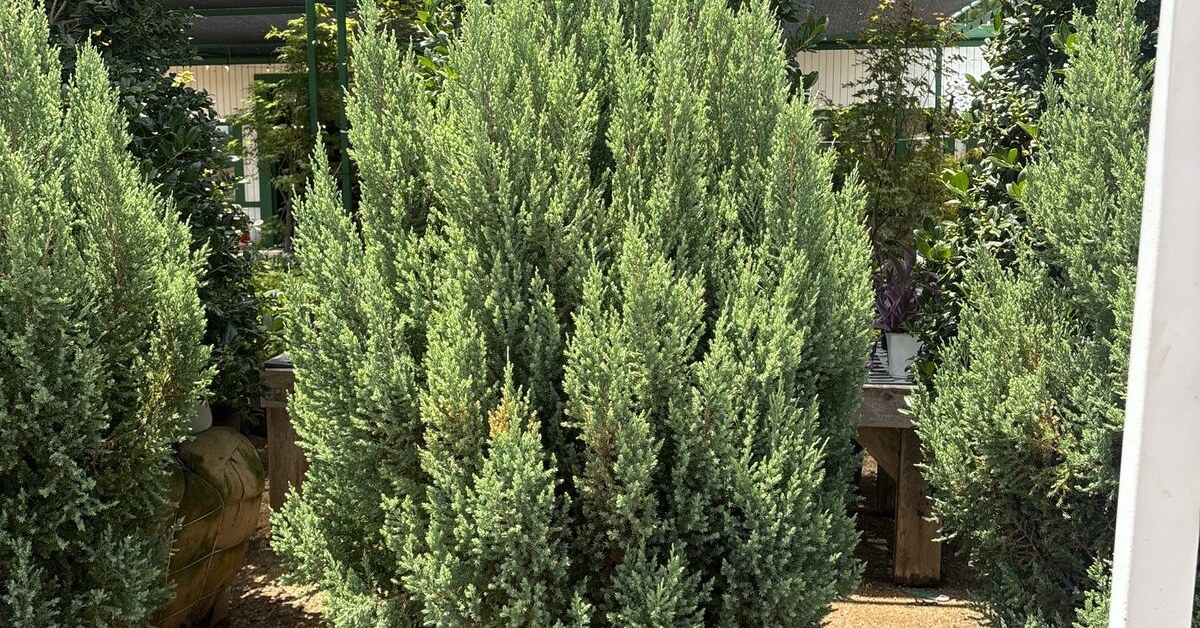
A new plant can look fine at breakfast and tired by late afternoon in a North Texas August. The natural response is to reach for the hose, but wilt does not always mean the same thing. A small nursery root ball may be dry while the surrounding clay is damp. A container may need water while the bed beside it does not. Roots can also struggle when a planting hole stays too wet.
So, how often should you water new plants? Check often, water thoroughly when the root zone begins to dry, and adjust to the plant, soil, and weather. That approach is less tidy than a fixed schedule, but it protects young roots from both drought and saturation. It also works whether you brought home a shade tree from our tree and shrub department or a tray of seasonal color.
Why new roots need a different plan
A plant at the garden center has roots concentrated inside its container. After planting, those roots do not instantly occupy the surrounding bed. The original root ball can dry faster than nearby clay, especially when loose potting mix sits beside dense native soil. Until roots expand, that smaller zone needs your attention.
Leaves, stems, and plant size also change demand. A broad-leaved shrub can lose moisture differently from a narrow-leaved native. A one-gallon perennial has less stored water than a large tree root ball. Use our online plant list to review mature size and basic light needs, then follow the specific plant tag for care details.
The check, soak, confirm method
1. Check the root ball and nearby soil
Push a finger or narrow hand tool below the dry-looking surface near the root ball without tearing roots. Check the surrounding soil too. If both are moist, wait and inspect again later. If the root ball is beginning to dry while the surrounding soil is damp, aim water at the root ball rather than flooding the entire bed.
2. Soak slowly at soil level
Apply water slowly enough that it enters the soil instead of running across the surface. A hose on a gentle flow, watering wand, or correctly placed drip emitter can work. Move around a larger root ball so one side is not doing all the work. Avoid relying on a quick spray across the leaves; the goal is moisture where roots can use it.
3. Confirm where the water went
After watering, check again below the surface. The top can look wet while the center of the root ball remains dry, or the surface can look dry while clay below is saturated. This feedback is how you learn the right run time for that plant and that tool. Minutes alone are not a universal measurement because hose flow, pressure, emitters, and soil differ.
Adjust for containers, flowers, shrubs, and trees
Containers
Containers can dry quickly because sun and wind reach the sides as well as the surface. Small pots usually change faster than large ones, and dark containers in western sun can heat sharply. Check them frequently, water until excess can leave the drainage hole, and never let a decorative saucer keep roots submerged. If you are choosing a new pot, compare shapes and drainage in our pottery and garden decor collection.
Annuals and perennials
Small root balls have little margin for error during a heat wave. Check newly planted flowers closely, especially along reflective walks or walls. Water at the soil, preserve airflow around crowns, and avoid using a thick mulch pile to hide stressed stems. Our annual and perennial tables include plants with different sun and moisture preferences, so group similar needs whenever possible.
Trees and shrubs
Larger plants need water distributed across the root ball, not poured against the trunk. Keep the root flare visible, expand the wetted area as roots grow outward, and continue checking long after the leaves look settled. A tree may require establishment care across more than one season, while its exact needs shift with rainfall, dormancy, wind, and canopy size.
Texas native plants
Native and drought-tolerant plants are not exempt from establishment watering. Their future resilience depends on a healthy start, and too much moisture can be as damaging as too little for plants adapted to drainage. Compare choices in our guide to Texas native plants for North Texas, then match each selection to the bed rather than assuming one watering plan fits all natives.
Read North Texas clay before adding more
Clay accepts water slowly and may hold it below a crusted surface. A fast stream can run downhill before reaching roots, while a deep planting hole can act like a basin. Slow the application, pause if water pools, and return after it soaks in. If the site repeatedly stays wet, solve the grading or drainage issue rather than extending the time between emergencies.
Mulch can reduce surface evaporation and buffer soil temperature, but more is not always better. Use a modest, even layer and keep it away from stems, trunks, and plant crowns. The materials in our soil and mulch department serve different jobs, so choose by the project instead of covering every bed with the same depth and material.
Change the plan when the weather changes
A useful routine in August may be wrong after a cool front or steady rain. Heat, wind, cloud cover, plant growth, and season all affect how quickly soil dries. Check more often during extreme heat, after planting, and when a container moves into stronger sun. Reduce watering when the soil remains moist; do not keep a timer running simply because last week was hot.
The North Texas garden calendar can help you anticipate seasonal tasks, but the root zone still gets the deciding vote. Automated irrigation also needs observation. Confirm that emitters reach the intended root balls, repair blocked or misplaced lines, and account for rainfall instead of assuming the system handled everything.
Watch the plant, then verify the soil
Wilting, curled leaves, dull color, and leaf drop can signal water stress, but they can also follow transplant shock, root damage, or excess moisture. Treat the symptom as a reason to inspect, not as proof that the plant needs another soaking. Check the root ball, smell for sour saturated soil, look for standing water, and compare the plant with others in the same exposure.
If you are unsure what a new purchase needs, bring photos and site notes when you visit our Flower Mound garden center. Tell us the pot size, planting date, sun exposure, and what the soil feels like below the surface. Selection and hours vary with the season, so check our Google listing before a special trip.
Frequently asked questions
Should I water newly planted plants every day in North Texas?
Do not water by the calendar alone. Check the root ball and nearby soil each day during hot or windy weather, then water when they begin to dry. Daily checking may lead to daily watering for a small container, but a clay bed may need more time between soakings.
What is the best time of day to water new plants?
Early morning is usually practical because temperatures are lower and you can direct water to the soil before the strongest heat. If a plant is dangerously dry, water the root zone when you notice rather than waiting for the ideal hour.
Can I overwater a newly planted tree or shrub?
Yes. Roots need oxygen as well as moisture, and a planting hole in heavy clay can hold water. Check below the surface before adding more, make sure the root flare is not buried, and correct drainage problems instead of treating every wilted leaf as drought.
How long do new plants need establishment watering?
The establishment period depends on plant type, size, season, soil, and weather. Small flowers may settle faster than a large tree or shrub. Keep checking the original root ball and gradually widen the watered area as roots move into the surrounding soil.
Make the next step specific
Good garden care begins with the actual site. Bring photos, measurements, and a short list of the conditions you cannot change. That gives our team a clearer starting point for helping you compare plants and materials without turning a useful visit into guesswork.