
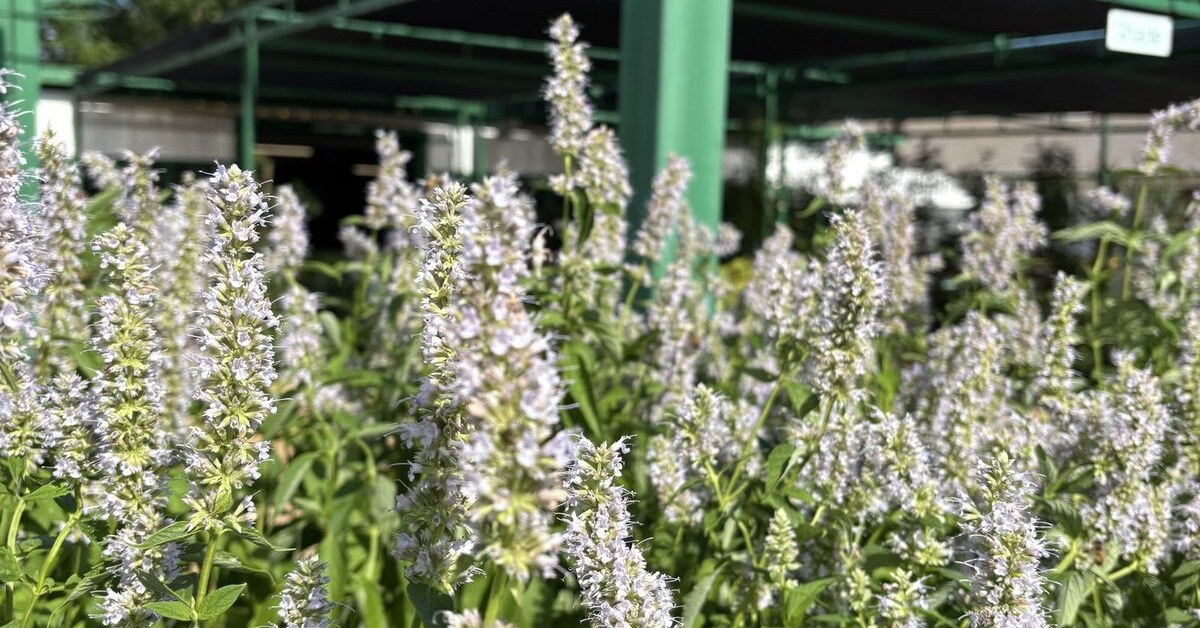
A native plant table can feel like a shortcut to an easier garden. The labels promise Texas roots, the flowers are familiar to pollinators, and many selections handle heat better than plants developed for cooler regions. But Texas is enormous. A plant native near the Gulf Coast or in far West Texas is not automatically a perfect fit for a heavy clay bed in Flower Mound.
The most useful way to shop for Texas native plants is to give each one a job. Decide whether you need shade, a flowering accent, a low border, or a dry-slope performer. Then match that job to the actual sun, drainage, and space in your yard. Our Texas native plant selection changes through the season, so use these eight picks as a comparison guide rather than an inventory promise.
What makes a native plant work here?
Start with the conditions you cannot easily change. North Texas sun can be intense, while clay soil may stay wet below the surface long after the top looks dry. Roof runoff, reflected heat, tree roots, and irrigation patterns can create several small growing zones in one yard. A plant that thrives beside a sunny driveway may struggle in a low bed that holds water.
Check the mature width as carefully as the flower color. A young shrub in a nursery pot can look small enough for a narrow foundation bed, then crowd a window or walkway as it grows. The searchable Land Care plant list is a useful place to compare mature sizes before you visit.
Eight Texas natives with different garden jobs
1. Red yucca for hot, open spaces
Red yucca brings narrow evergreen foliage and tall flower stalks that add movement without taking the shape of a broad shrub. It belongs in full sun with drainage, not in a low spot that stays saturated. Use it as a repeating accent along a dry border or near stone, while leaving room for the flower stalks to rise without leaning into a path.
2. Autumn sage for a flowering edge
Autumn sage, or Salvia greggii, forms a compact flowering shrub with many color selections. It works well where you can see its small blooms up close, such as near a patio, front walk, or mixed perennial bed. Full sun and airflow support a tighter habit. Avoid crowding it behind plants that will eventually shade its base.
3. Texas lantana for long-season color
Texas lantana handles sun and summer heat once established, producing clustered flowers on a spreading plant. Give it space to reach its labeled width instead of squeezing it between upright shrubs. In colder winters, top growth may die back, so place it where a seasonal change in shape will not leave a permanent design gap.
4. Black-eyed Susan for an informal drift
Black-eyed Susan brings golden petals around a dark center and looks best in a small group rather than as one isolated plant. It suits a looser border, pollinator bed, or sunny cottage-style planting. Varieties and life cycles differ, so read the tag and expect the planting to change rather than behave like clipped evergreen structure.
5. Desert willow for filtered shade
Desert willow is a small flowering tree with narrow leaves and an airy canopy. It can soften a sunny corner without creating the dense shade of a large oak. The tree still needs enough room above and below ground, so check overhead lines, pavement, and the labeled mature spread before choosing a location.
6. Eastern redbud for spring impact
Redbuds are valued for flowers that appear on bare branches before the leaves fill in. They can work at a woodland edge or as a small ornamental tree where harsh reflected afternoon heat is limited. Compare selections carefully because size, leaf color, and heat tolerance vary. Our tree and shrub tables let you look at form as well as the plant tag.
7. Cedar elm for durable canopy
Cedar elm is a North Texas shade-tree option with a larger eventual footprint than the flowering trees above. It is a choice for long-term canopy, not a quick accent beside a foundation. Measure the available space, consider roots and utilities, and picture the tree at maturity before settling on a planting point.
8. Texas red oak for fall color and scale
Texas red oak can provide shade, structure, and seasonal color where there is room for a full-size tree. It should not be selected only because the leaves look good at the garden center. Check the exact species or selection, mature dimensions, and site exposure, then plan for careful establishment watering during its first seasons.
Build layers instead of collecting favorites
A useful native planting has more than one height and more than one season of interest. Start with the permanent structure: perhaps a cedar elm or redbud, depending on scale. Add medium-height plants such as autumn sage, then use lower flowering plants near the viewing edge. Repetition makes the result feel intentional; three well-spaced plants often read more clearly than three unrelated singles.
Browse annuals and perennials for temporary color that can fill young gaps while native shrubs mature. Keep temporary plants far enough from the permanent crowns that you can water and maintain each layer without damage.
Plant for the root system you want later
Dig a broad planting area and avoid burying the top of the root ball. In clay, a deep bowl can hold water around roots, so make sure the final grade moves excess water away rather than trapping it. Backfill with the soil strategy appropriate to the bed instead of creating a tiny pocket that behaves differently from everything around it.
A light mulch layer helps moderate soil moisture and temperature. Keep mulch away from trunks and crowns, and do not build a mound against bark. The team in our soil, mulch, and stone department can help you compare materials for the size and type of bed you are preparing.
Native does not mean newly planted roots can be ignored. Water slowly enough to moisten the root ball and nearby soil, then check before watering again. Conditions change with heat, wind, rainfall, plant size, and drainage. Our guide to watering new plants in North Texas explains how to make that decision without relying on a rigid calendar.
Use August to observe, then plant with the weather
Late summer is an excellent time to map trouble spots because heat makes differences visible. Notice which beds bake, which leaves scorch in reflected afternoon sun, and where irrigation or rain leaves standing water. Use the North Texas garden calendar to place that observation in the larger year, then watch the forecast before planting.
When you are ready to compare real plants, plan a visit to our Flower Mound garden center. Bring your measurements and photos, ask what is currently on the tables, and check our Google listing for seasonal hours before a special trip.
Frequently asked questions
Which Texas native plants are easiest for North Texas gardens?
Red yucca, autumn sage, Texas lantana, cedar elm, and Texas red oak are useful starting points when their mature size and light needs fit the site. Easy does not mean maintenance-free, so water new plants through establishment and confirm drainage before planting.
Do Texas native plants need to be watered after planting?
Yes. Native plants still need consistent moisture while new roots grow into the surrounding soil. Check the root ball and nearby soil, water slowly when they begin to dry, and taper only as the plant establishes and weather allows.
Are all Texas native plants good for North Texas clay?
No. Texas covers many soils and climates, so a plant native elsewhere in the state may dislike a heavy or poorly drained bed in Flower Mound. Match the plant to sun, drainage, mature size, and local cold exposure rather than relying on the native label alone.
When is the best time to plant native plants in North Texas?
Fall is often a practical planting window because cooler weather reduces heat stress while roots begin growing, but the forecast and plant type matter. Avoid planting into waterlogged or frozen soil, and prepare to water whenever rainfall is not enough.
Make the next step specific
Good garden care begins with the actual site. Bring photos, measurements, and a short list of the conditions you cannot change. That gives our team a clearer starting point for helping you compare plants and materials without turning a useful visit into guesswork.