
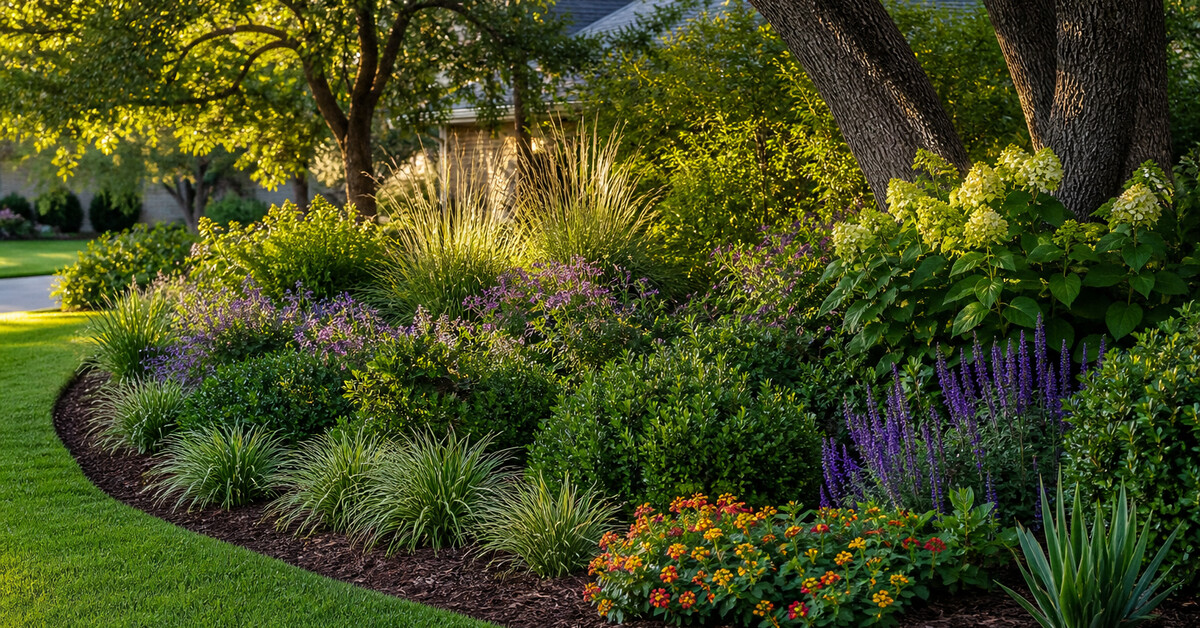
By late August, a North Texas garden bed has told you a lot. You can see where water disappears too quickly, where clay stays wet after a storm, which edge bakes beside the driveway, and which plants handled the season without constant rescue. That evidence is more useful than a generic instruction to add garden compost everywhere.
Compost can support better garden soil, but it is not a universal cure and it is not the same thing as mulch, topsoil, or fertilizer. The practical approach is to identify the job first, choose material for that job, and prepare only as much bed as you can plant and care for well. If you need to compare products in person, our soil, mulch, and stone department is the right starting point.
What garden compost can and cannot do
Finished compost is decomposed organic material. In a garden bed, it can add organic matter and help create a soil environment that is easier to manage over time. It does not automatically correct poor grading, a buried root flare, compacted subsoil, a broken irrigation line, or a plant placed in the wrong exposure.
That distinction matters in local clay. If water collects in one corner after every rain, adding more material without understanding the flow may hide the symptom briefly while the drainage problem remains. If a west-facing bed reflects heat all afternoon, richer soil will not turn a shade plant into a sun plant. Start with the site, then decide whether compost belongs in the plan.
Read the bed before you amend it
Check how water moves
Look at the bed after irrigation or rain. Does water soak in, run toward the walk, or remain in a low spot? Compare the center of the bed with the edges near foundations, fences, and hardscape. When drainage is uncertain, correct the cause before investing in new plants. Our guide to watering new plants in North Texas explains why the root ball and surrounding clay may behave differently.
Notice compaction without attacking wet clay
Soil that is hard when dry may be tempting to till immediately, but wet clay is easily smeared and compressed. Test a small handful. If it feels sticky, forms a slick ribbon, or coats a tool, wait. Working the bed when it is moist but crumbly is less likely to leave dense clods and polished sides.
Match the future plants to the exposure
Record direct sun, late-day heat, nearby tree roots, wind, and roof runoff. Then choose plants for those conditions instead of building a bed around a shopping list. Compare mature sizes and basic light needs before buying, and treat every plant tag as site information rather than decoration.
A practical fall bed-preparation sequence
- Define the bed edge and purpose. Decide whether the space needs seasonal color, a shrub layer, perennials, or a combination. A clear purpose prevents crowding.
- Remove only what should go. Pull weeds with roots, remove diseased debris, and relocate plants that are clearly wrong for the site. Healthy established roots and useful soil structure do not need to be disturbed just to make the bed look newly worked.
- Inspect the grade. Keep soil and mulch from piling against siding, weep holes, trunks, or plant crowns. Preserve a path for water to leave the bed without washing soil across a walk.
- Add the chosen material deliberately. For a new bed, blend suitable compost into the planting zone without creating an isolated pocket. In an established bed, a restrained surface application may be more appropriate than digging through roots.
- Set plants at the correct depth. Do not bury crowns or tree root flares to make the finish grade look level. Place the plant first, then shape soil and mulch around its natural base.
- Water, verify, and mulch. Settle the root zone, check where the water traveled, and finish with an even mulch layer kept away from stems and trunks.
This sequence also makes shopping more useful. Bring measurements, photos, and notes about sun and drainage when you visit our Flower Mound garden center. Selection and hours change with the season, so check our Google listing before a special trip.
Use a different approach for different beds
New ornamental beds
A new bed gives you room to evaluate the whole profile before roots are in the way. Confirm the grade, remove construction debris, and decide where taller structure and lower seasonal layers belong. If fall color is part of the plan, compare the timing and placement ideas in our North Texas fall flower guide before filling every open space.
Established perennial and shrub beds
Established roots deserve restraint. Avoid deep cultivation across the entire bed. Work around root zones, remove weeds carefully, refresh thin areas where appropriate, and preserve breathing room around crowns. If you are adding plants, repeat a few compatible choices rather than squeezing a different plant into every gap. Our annual and perennial department can help you compare roles, color, and exposure.
Trees and large shrubs
Do not mound compost or mulch against trunks. Keep the natural flare visible and think outward across the root zone. A young tree may need establishment attention very different from a mature canopy tree. Before adding another tree, review our guide to shade trees for North Texas clay and plan for mature spread, not the container’s current size.
Native-focused beds
Texas native plants still need the right drainage, sun, spacing, and establishment care. Compost should not turn a dry-site bed into a moisture-holding pocket that works against the selected plants. Use our Texas native plant guide to assign each plant a job, then prepare the bed for that group rather than for a generic idea of “native soil.”
Common shortcuts that create more work
- Adding sand to clay without a full plan. Random proportions can create a dense mix rather than the open soil you expected.
- Replacing soil in one small planting hole. A sharply different pocket can hold water or discourage roots from moving into the surrounding soil.
- Piling mulch for a finished look. Deep material against stems and trunks hides the base and can keep it too damp.
- Preparing the bed before choosing plants. Soil, drainage, and plant selection should be decided together.
- Using the calendar as the only signal. Late August is a planning window, but planting and soil work still depend on conditions.
The North Texas garden calendar can help you see what is coming next. Pair it with your own notes from this bed, because the sunny corner near a stone walk may behave differently from the shaded side of the same yard.
Frequently asked questions
Should I add compost to every North Texas garden bed?
Not automatically. Start with the bed’s drainage, soil condition, plant needs, and recent history. Compost can support organic matter and soil structure, but the right product and amount depend on the site. A bed that stays wet needs a drainage diagnosis before more material is added.
Is compost the same as mulch or fertilizer?
No. Compost is decomposed organic material used to support soil. Mulch covers the surface to moderate moisture and temperature and reduce bare-soil exposure. Fertilizer supplies labeled nutrients. One product may overlap slightly with another, but they are not interchangeable.
Can I work compost into wet clay soil?
Wait until the soil is workable rather than sticky or smeared. Digging or tilling saturated clay can damage its structure and leave hard clods. Test a small handful first; if it forms a slick ribbon or sticks heavily to tools, give the bed more time to drain.
When should I prepare a garden bed for fall planting?
Late August is useful for observation and planning. Note sun, drainage, heat reflection, and existing plant performance, then prepare the bed when soil moisture is workable. Planting timing still depends on the plants and the weather, so use the site and forecast rather than one fixed date.
Build the fall plan from the ground up
A productive garden-center visit starts before you leave home. Measure the bed, photograph the edges and problem spots, note when sun arrives and leaves, and check how the soil feels below the surface. Those details make it easier to compare compost, mulch, and plants as parts of one plan instead of unrelated purchases.